
Storage plays an important role in maintaining smooth industrial operations. Whether storing raw materials, finished products, chemicals, powders, or bulk materials, the right storage system helps businesses improve inventory control, safety, and production efficiency.
Industries across Australia require specialised storage solutions based on material characteristics, environmental conditions, and operational requirements. Selecting the right bulk industrial storage system supplier requires careful evaluation of design, material compatibility, capacity, and integration with existing processes.
A storage system is not simply a container. It is a part of the overall production process that influences material flow and operational reliability.
Importance Of Proper Industrial Storage Planning
Poorly designed storage systems can create several operational challenges, including:
Material contamination
Difficult handling processes
Increased maintenance requirements
Production delays
Safety concerns
A well-planned storage solution considers how materials enter, remain, and leave the system during daily operations.
Storage Requirements Based On Industry
Different industries have different storage needs.
Chemical Industry Storage
Chemical materials often require storage systems designed according to chemical properties, temperature conditions, and safety considerations.
Chemical powder storage solutions may require:
Corrosion-resistant materials
Controlled handling systems
Proper sealing
Safe transfer mechanisms
Food Processing Storage
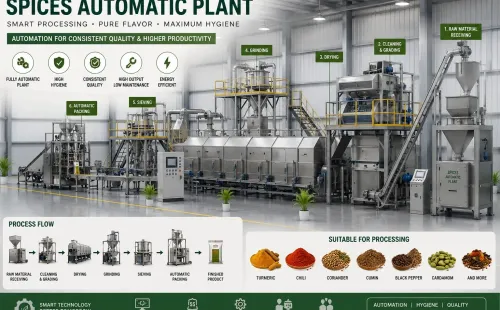
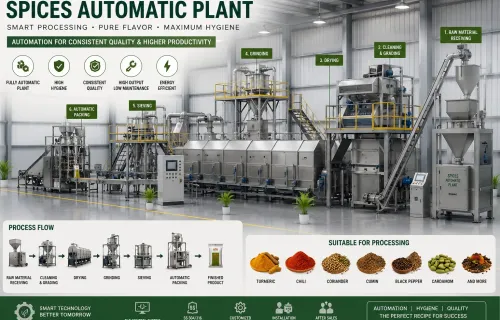
Food industries require storage systems that support hygiene and efficient material movement. Powder storage and ingredient handling require careful design to prevent contamination.
Manufacturing And Heavy Industries
Manufacturing plants often need bulk storage solutions for raw materials used continuously during production.
Factors To Consider When Selecting A Storage System Supplier
Choosing a suitable supplier requires evaluating more than storage capacity.
Important factors include:
Material Compatibility
The stored material determines the required construction material, design approach, and handling method.
Capacity Planning
Storage capacity should match production requirements while allowing operational flexibility.
Integration With Handling Systems
Modern facilities often connect storage systems with conveyors, feeders, mixers, and process equipment.
Maintenance Requirements
Easy inspection and maintenance access help improve long-term reliability.
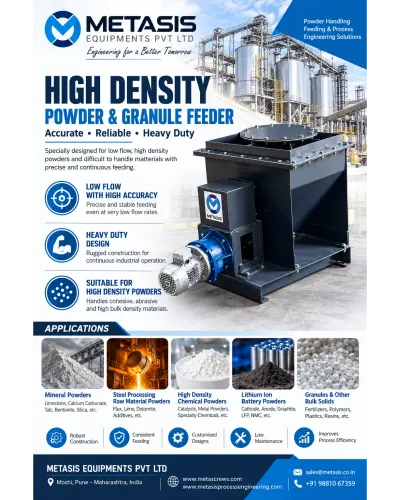
Metasis Equipments Pvt Ltd develops customised industrial solutions involving process equipment, storage systems, and material handling applications based on specific industry requirements.
Benefits Of Custom Industrial Storage Solutions
A properly designed storage system can provide:
Better inventory management
Reduced material handling issues
Improved workplace safety
Efficient production flow
Lower operational disruptions
Industries in regions such as Victoria, Queensland, Western Australia, and New South Wales often require storage systems designed for different operational environments.
Choosing The Right Storage Partner
Before selecting a bulk industrial storage system supplier, businesses should review:
Engineering experience
Understanding of industrial materials
Customisation capability
Process integration knowledge
Support for future expansion
A storage solution should be designed as part of the complete production system. When storage, handling, and processing equipment work together, industries can achieve better efficiency and more reliable operations.
For Australian businesses managing chemicals, powders, food ingredients, or bulk materials, selecting the right storage system supplier is an important step toward building a productive and organised industrial facility.