
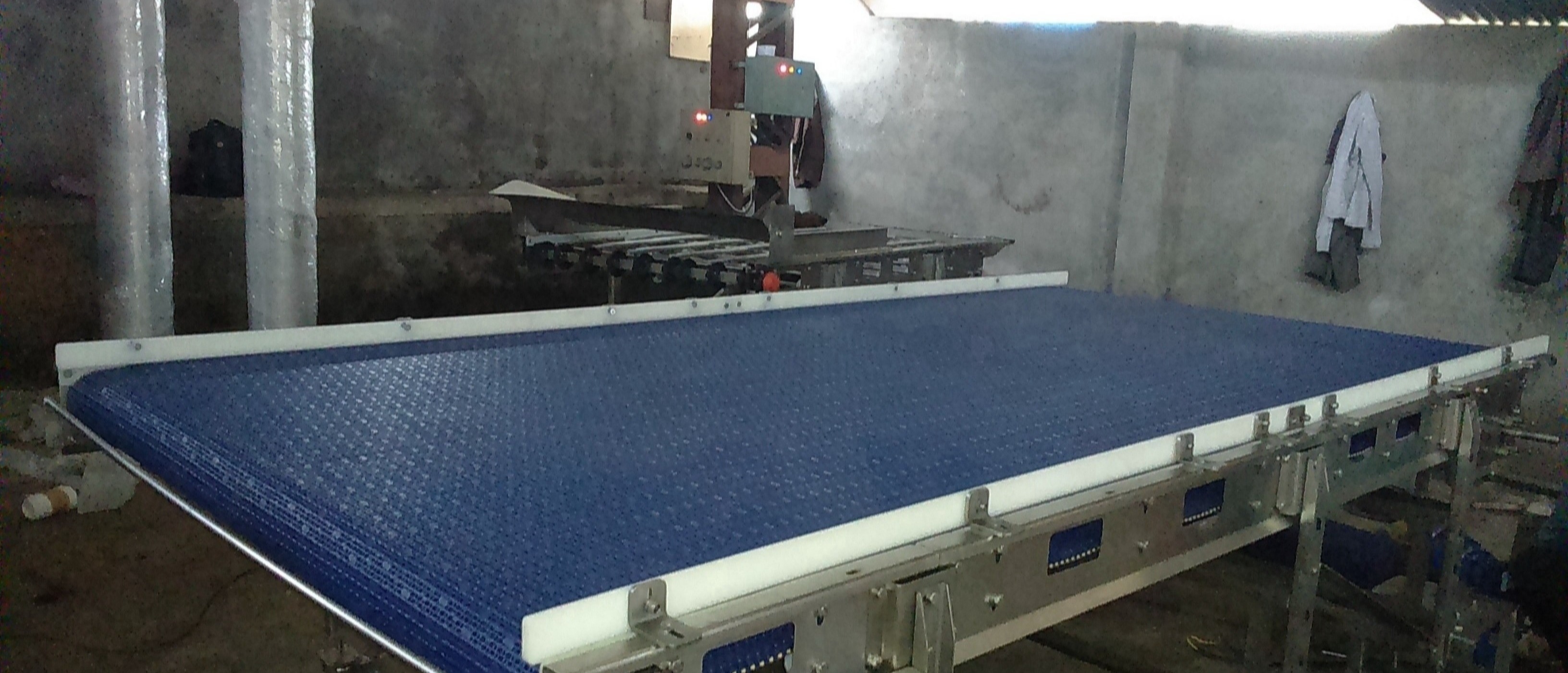
Material handling plays an important role in maintaining smooth production operations across manufacturing industries. From moving raw materials to transferring finished products, conveyor systems help businesses improve workflow, reduce manual handling, and maintain consistent production movement.
A belt conveyor manufacturer provides engineered solutions designed to transport different types of materials across industrial facilities. In the United States, industries such as food processing, mining, agriculture, chemical manufacturing, and bulk material handling rely on conveyor systems for efficient movement of products.
Belt conveyors are widely used because they offer continuous material transportation with reliable operation. However, selecting the correct conveyor design depends on several factors, including material type, distance, operating environment, and production requirements.
Understanding Industrial Belt Conveyor Applications
A belt conveyor system consists of a continuous belt supported by rollers or a structured frame that moves materials from one point to another. The design can vary depending on the application.
Common industrial applications include:
Bulk material transportation
Food product movement
Agricultural material handling
Mining operations
Chemical processing facilities
Packaging and production lines
Different materials require different conveyor configurations. A system designed for lightweight food products may not be suitable for heavy materials such as iron ore or industrial minerals.
Choosing The Right Conveyor Design
When selecting a belt conveyor system, businesses should evaluate:
Material characteristics
Required carrying capacity
Conveyor length
Inclination requirements
Operating conditions
Maintenance accessibility
For example, a food belt conveyor may require hygienic design features and easy cleaning access, while an iron ore belt conveyor manufacturer focuses on durability and high load-handling capabilities.
Industries dealing with agricultural materials may require specialized solutions such as biomass belt conveyors designed to handle irregular material shapes and varying moisture levels.
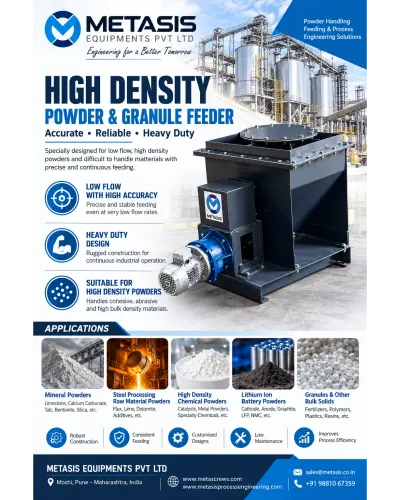
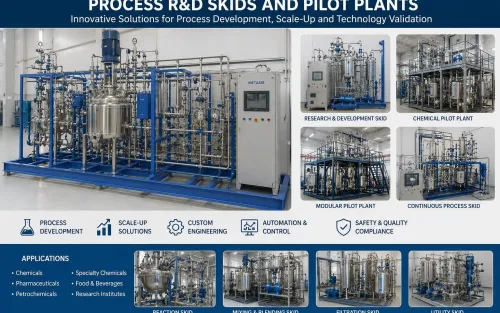
Metasis Equipments Pvt Ltd provides industrial equipment solutions focused on process requirements, material handling applications, and customized engineering needs. The company develops solutions based on operational conditions and industry-specific requirements.
Benefits Of Industrial Belt Conveyor Systems
Properly designed conveyor systems provide several advantages:
Improved material movement efficiency
Reduced manual handling requirements
Better production flow
Lower operational interruptions
Enhanced workplace safety
In large manufacturing facilities, efficient material transportation directly affects production productivity. A well-planned conveyor system helps connect different stages of the manufacturing process.
Belt Conveyors For Different Industries
Different sectors require specialized conveyor solutions.
In mining operations, heavy-duty systems are required for transporting materials such as minerals and ores. In food industries, conveyors must support cleanliness and product protection. In chemical and manufacturing facilities, conveyor selection depends on material properties and environmental conditions.
Businesses should consider the complete process requirement instead of selecting equipment only based on capacity.
Supporting Long-Term Material Handling Efficiency
A conveyor system is a long-term investment that should support current operations while allowing future expansion. Proper engineering, equipment selection, and installation planning help businesses achieve reliable performance.
For companies across the United States looking for efficient industrial material handling solutions, selecting an experienced belt conveyor manufacturer can support improved workflow, operational consistency, and better production management.