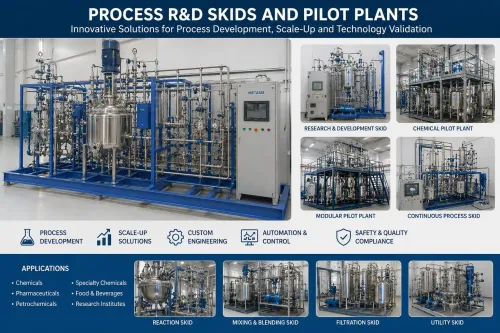

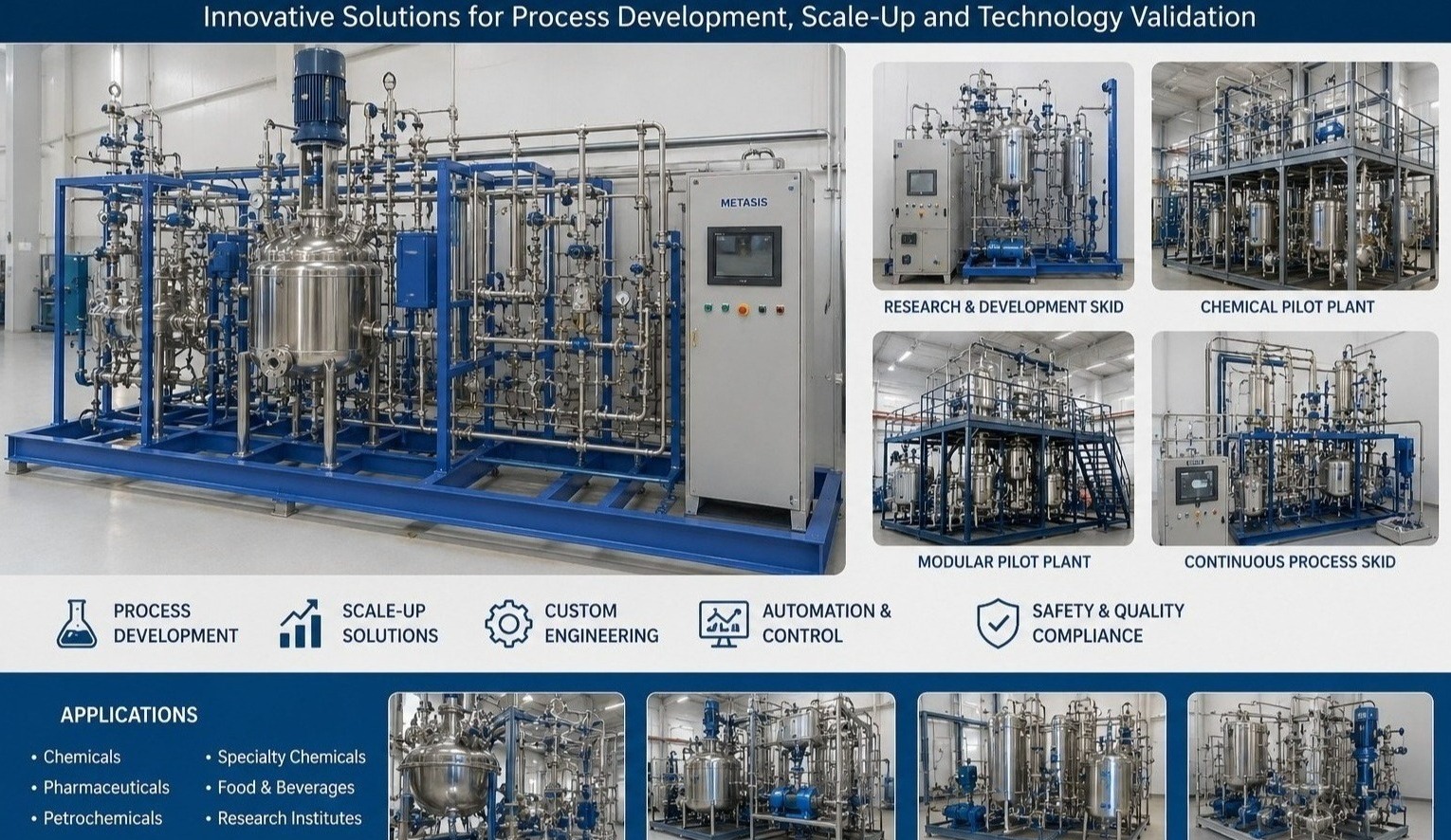
Choosing a process skid manufacturer is a critical decision when several pieces of equipment must operate together as a coordinated package. The manufacturer needs to understand more than fabrication because the completed skid may include vessels, pumps, piping, valves, instruments, structural supports, and utility connections.
A strong selection process starts with the process itself. Buyers should prepare information about operating conditions, materials, temperatures, pressures, flow rates, equipment requirements, available utilities, and intended installation environment.
This information allows the manufacturer to determine whether the proposed arrangement is practical.
Engineering integration should be one of the primary evaluation criteria. A skid can be fabricated neatly and still create operational problems if equipment is difficult to access or piping arrangements interfere with maintenance.
The process skid manufacturer should demonstrate an ability to coordinate mechanical layout, piping, structural requirements, equipment interfaces, and instrumentation provisions.
United States buyers can use the following questions during supplier evaluation:
Who is responsible for process and mechanical engineering?
How are equipment layouts reviewed?
What information is required before design begins?
How are customer comments incorporated?
What fabrication capabilities are available?
How is maintenance access considered?
What documentation accompanies the skid?
How are lifting and transportation requirements addressed?
Project teams should also discuss the battery limits of the package. Clearly identifying what is included and excluded helps prevent misunderstandings later. Connections for electrical power, utilities, process piping, drains, controls, and other interfaces should be defined.
Material selection is equally important. The construction material must suit the process fluid, operating environment, cleaning requirements, and expected service conditions.
Metasis Equipments Pvt Ltd brings together process-engineering, mechanical-design, and equipment-manufacturing capabilities for industrial skid requirements.
For United States companies considering an overseas process skid manufacturer, logistics should be addressed during design rather than after fabrication. Shipping dimensions, lifting points, modularization, packaging, and site installation constraints can influence the skid configuration.
A supplier should ultimately be evaluated on how effectively it turns process requirements into an installable and maintainable equipment package. Price remains important, but engineering completeness, manufacturing capability, documentation, and integration readiness can have a much greater effect on the overall project outcome.
The right process skid manufacturer helps reduce interface problems by treating the skid as one functioning process system rather than a collection of separately selected components.