
A process flow diagram can show what a chemical plant must do, but it cannot prove that a vessel, hopper, pipe rack, conveyor or access platform will remain safe, fabricable and maintainable under real operating conditions. By the end, you can match project risk and complexity to the right level of mechanical input, specify the documents to demand, and recognise when a standard installation does not need a separate design service.
Key takeaways
- Use mechanical design when equipment changes pressure, temperature, containment, loads or access.
- Give the designer process data, operating cases, materials, loads and maintenance requirements.
- Check drawings, calculations, specifications, code compliance and fabrication-ready deliverables.
- Choose a French partner with chemical equipment, integration and site-delivery experience.
When a Chemical Plant Needs Mechanical Design Support
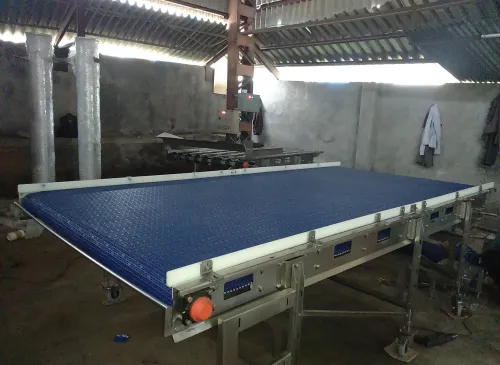
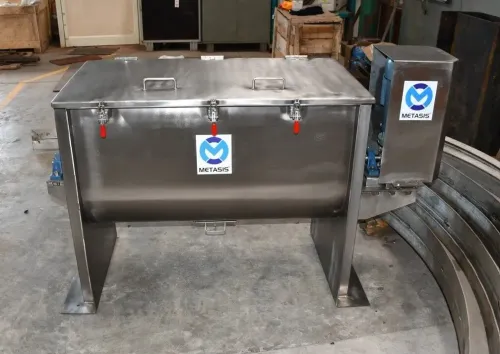
The answer to “do chemical plants need mechanical for design engineering services” is yes when a project changes pressure, temperature, containment, loads, access or maintainability. New reactors, heat exchangers, pressure vessels, tanks, hoppers, conveyors, pipe racks, platforms and packaged skids need mechanical design that turns process data into safe, fabricable equipment.
| Project type | Mechanical design needed | When standard work is enough |
|---|---|---|
| New process unit | Equipment geometry, supports, nozzles, piping interfaces, guarding and maintenance clearances | Never rely on catalogue installation alone |
| Pressure or vacuum service | Wall thickness, materials, welds, testing and PED documentation | Only a certified package with unchanged service conditions |
| Corrosive, abrasive or hot service | Corrosion basis, lining, thermal expansion, erosion and vibration checks | No shortcut when concentration, temperature or cleaning chemistry changes |
| Small replacement | Interface, load and utility checks | A like-for-like pump or instrument swap with identical connections, duty and hazards |
Process engineering defines mass balance, flow, composition and operating conditions. Mechanical engineering resolves the vessel, pipe, support, lifting point and access that must survive those conditions; skipping it can create nozzle misalignment, inaccessible valves or a structure that cannot carry a filled tank.
French projects also need a compliance boundary. Check PED duties for pressure equipment, the selected piping code such as ASME B31.3 or applicable EN standards, Machinery Regulation 2023/1230 timing, and ICPE layout or containment obligations.
Use an external design service when the change affects structural loads, pressure boundaries, hazardous containment or plant interfaces. A standard installation is sufficient only when the supplier’s certified design matches the approved duty and your site checks confirm fit, utilities, guarding and maintenance access.
What Mechanical Design Adds to Process Engineering
Process engineering defines what the plant must do; mechanical design defines whether the equipment can do it safely, repeatedly and economically. A process engineer develops the mass balance, heat balance, process flow diagram and operating conditions. Mechanical design turns those inputs into vessel geometry, wall thickness, supports, nozzles, piping connections, fabrication drawings and maintenance clearances.
| Process engineering focus | Mechanical design responsibility | What must be resolved |
|---|---|---|
| Process duty | Reactor, tank, heat exchanger and pump configuration | Capacity, residence time, materials, pressure, temperature and cleaning method |
| Flow scheme | Piping and packaged-equipment interfaces | Nozzle loads, flange ratings, valves, drains, vents, expansion and skid boundaries |
| Solid handling | Hopper, feeder and conveyor arrangement | Wall friction, outlet size, bridging, ratholing, segregation and feeder control |
| Plant operation | Supports, platforms, guards and access | Lifting points, inspection space, pump removal routes and operator safety |
| Design basis | Fabricable and compliant equipment | Corrosion, vibration, thermal cycling, vacuum, pressure and external loads |
Chemical plant mechanical design must also establish the code boundary. ASME B31.3 may govern process piping, while EN standards and the Pressure Equipment Directive may apply on a European project; vessel nozzles, utility connections and packaged skids need explicit interface decisions.
Pressure vessels, heat exchangers and pressurised piping can require qualified welding, non-destructive examination, pressure testing and PED conformity documentation.
Material selection must include concentration, contaminants, oxygen, velocity, erosion, weld condition and cleaning chemicals—not only the nominal chemical. For bulk solids, process equipment design fails if it considers only conveyor strength: a mechanically sound screw cannot overcome a hopper that discharges unevenly.
Design Inputs, Codes and Risk Controls That Change the Equipment
Fix the process design basis before drawing equipment. Record normal and upset pressure, vacuum, temperature, flow, density, viscosity, solids loading, utility conditions, batch cycles, start-up, shutdown, cleaning and maintenance loads. An omitted vacuum case or thermal transient can buckle a tank or fatigue a weld.
| Input | Fix before design | Equipment consequence |
|---|---|---|
| Operating data | Pressure, temperature, flow, cycling and relief conditions | Wall thickness, supports, nozzles, fatigue and relief connections |
| Materials | Concentration, contaminants, oxygen, velocity, erosion, crevices, weld condition and cleaning chemicals | Stainless steel, alloy, lining, gasket and weld selection |
| Codes | Pressure Equipment Directive (PED), EN standards, ASME B31.3 and code boundaries | Vessel calculations, piping classes, examination, testing and documentation |
| Hazards | Flammable vapour, toxic release, dust explosion, overpressure and access risks | Containment, ventilation, earthing, guarding, spacing and emergency access |
Do not treat a pressure vessel, heat exchanger or pressurised piping system as an ordinary fabricated tank or skid. Define welding procedures, welder qualifications, non-destructive examination, pressure testing and the notified-body conformity route under the PED before fabrication.
Mechanical design engineering services in France must also check the site’s ICPE classification and prefectural requirements, which can alter containment, fire access and storage layout. Identify whether the Machinery Directive framework or EU Machinery Regulation 2023/1230 applies; the Regulation’s application date is 20 January 2027. Resolve every interface at vessel nozzles, utilities and packaged skids.
Choosing the Right Project Stage and Checking the Deliverables
Commission a concept study when the chemistry, capacity, equipment route or site layout remains uncertain. Move to basic engineering once the process route is credible; commission detailed design only after design conditions, materials and code boundaries are approved.
| Stage | When to commission it | Evidence to demand |
|---|---|---|
| Concept study | Compare process routes, plant layouts or equipment options before committing capital. | Design basis, options comparison, preliminary mass balance, plot plan, risk register and order-of-magnitude cost. |
| Basic engineering | Freeze the selected process and define interfaces before procurement. | PFDs, P&IDs, equipment datasheets, utility list, design criteria, code strategy, preliminary equipment list and costed scope. |
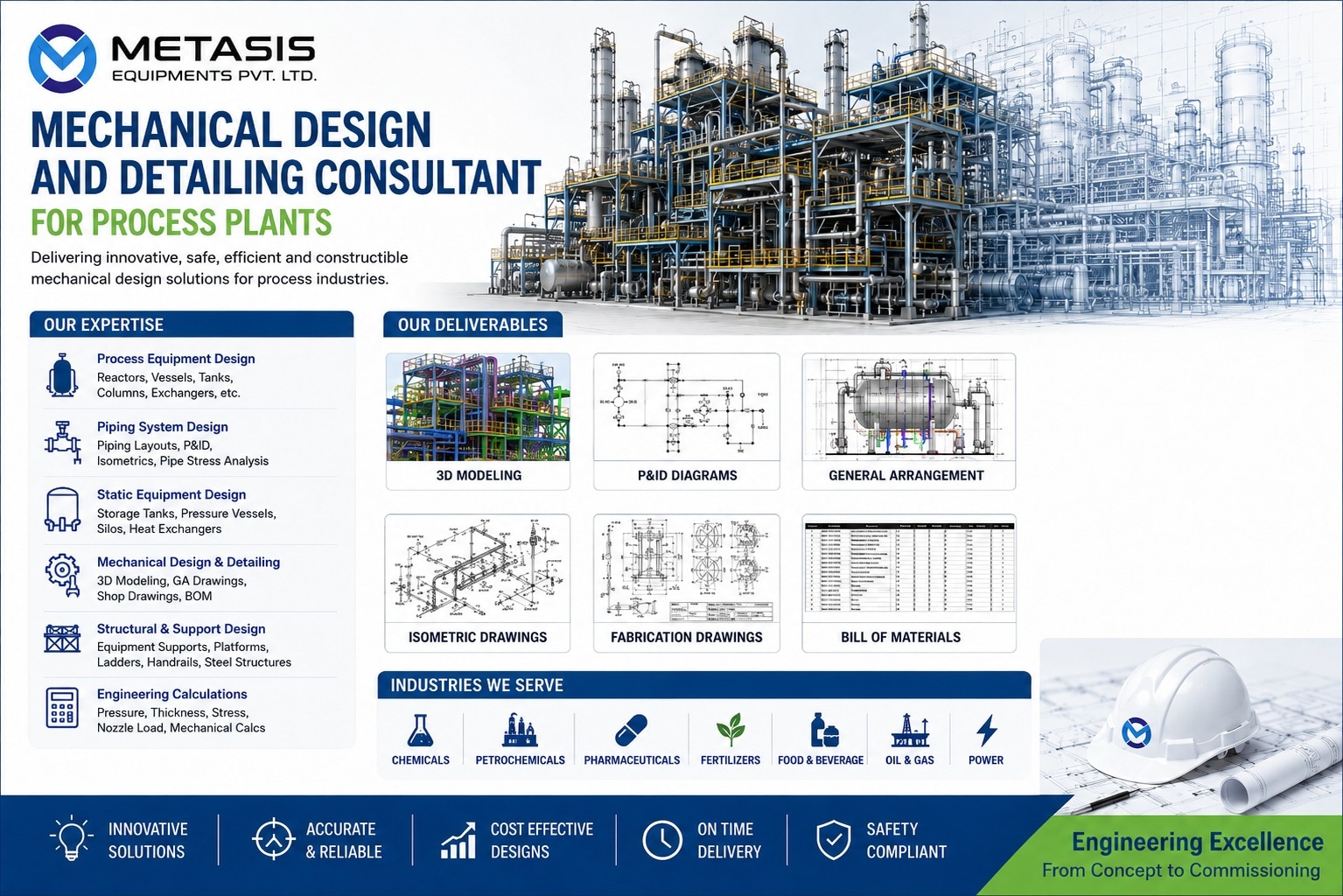
| Detailed design | Release equipment and piping for manufacture or construction. | Approved general-arrangement and fabrication drawings, calculations, nozzle loads, pipe isometrics, bills of materials, inspection plan and maintenance clearances. |
| Reverse engineering | Existing equipment lacks reliable drawings, or you need a replacement or modification. | Site measurements or laser survey, verified as-built drawings, material identification, photographs, interface dimensions and a discrepancy list. |
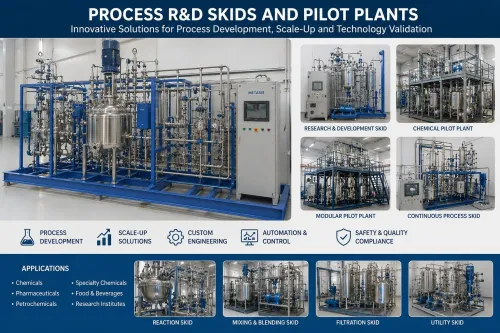
| Pilot skid | Scale-up risk remains after laboratory work, especially with heat transfer, mixing, fouling or solids handling. | Test plan, instrumented operating data, mass balance, cleaning results, scale-up criteria, operating limits and modification log. |
| Turnkey execution | You need one party to coordinate process equipment design, fabrication, installation and commissioning. | Approved drawings, material certificates, weld and inspection records, pressure-test records, calibration certificates, FAT results, spare-parts list, operating limits and site-acceptance records. |
Check every package against the agreed code boundary, including vessel nozzles, utility connections and packaged skids. Do not accept a demonstration as completion: release payment after the records prove that the plant can be maintained, audited and requalified.
How to Select a Mechanical Design Partner for a French Project
Choose the partner by the gap you need to close, not by title. If your internal question is “do chemical plants need mechanical for design engineering services”, compare who owns calculations, interfaces, records and site decisions.
| Option | Responsibility | Capability and coordination | Site support and accountability |
|---|---|---|---|
| Internal team | Owns design basis, approvals and plant standards | Strong process knowledge; capacity and specialist codes can limit delivery | Fast access to operators; management carries final responsibility |
| Independent consultant | Produces calculations, drawings and specifications | Deep mechanical expertise; you must coordinate vendors, process engineers and contractors | Advises during installation; contract must define design liability and response times |
| Equipment manufacturer | Designs its package, including interfaces it accepts | Strong fabrication knowledge; scope can stop at the skid boundary | Supports FAT, installation and start-up; accountability is limited unless integration is contracted |
| EPC contractor | Coordinates engineering, procurement, construction and commissioning | Best for complex interfaces; design changes pass through a larger control system | Provides field supervision and one contractual point, but change control can cost time |
For mechanical design engineering services france projects, ask each candidate to map CE or Machinery Directive obligations, the EU Machinery Regulation 2023/1230 transition on 20 January 2027, PED scope, and ICPE site constraints. Require a written code boundary for EN or ASME B31.3 piping at nozzles, utilities and skids.
Ask for named engineers, a responsibility matrix, calculation examples, inspection records and a site-support plan. Metasis Equipments Pvt Ltd can be assessed on whether it will own package integration rather than only supply equipment. Choose the party that accepts responsibility for the complete evidence pack and commissioning punch list.
Related products
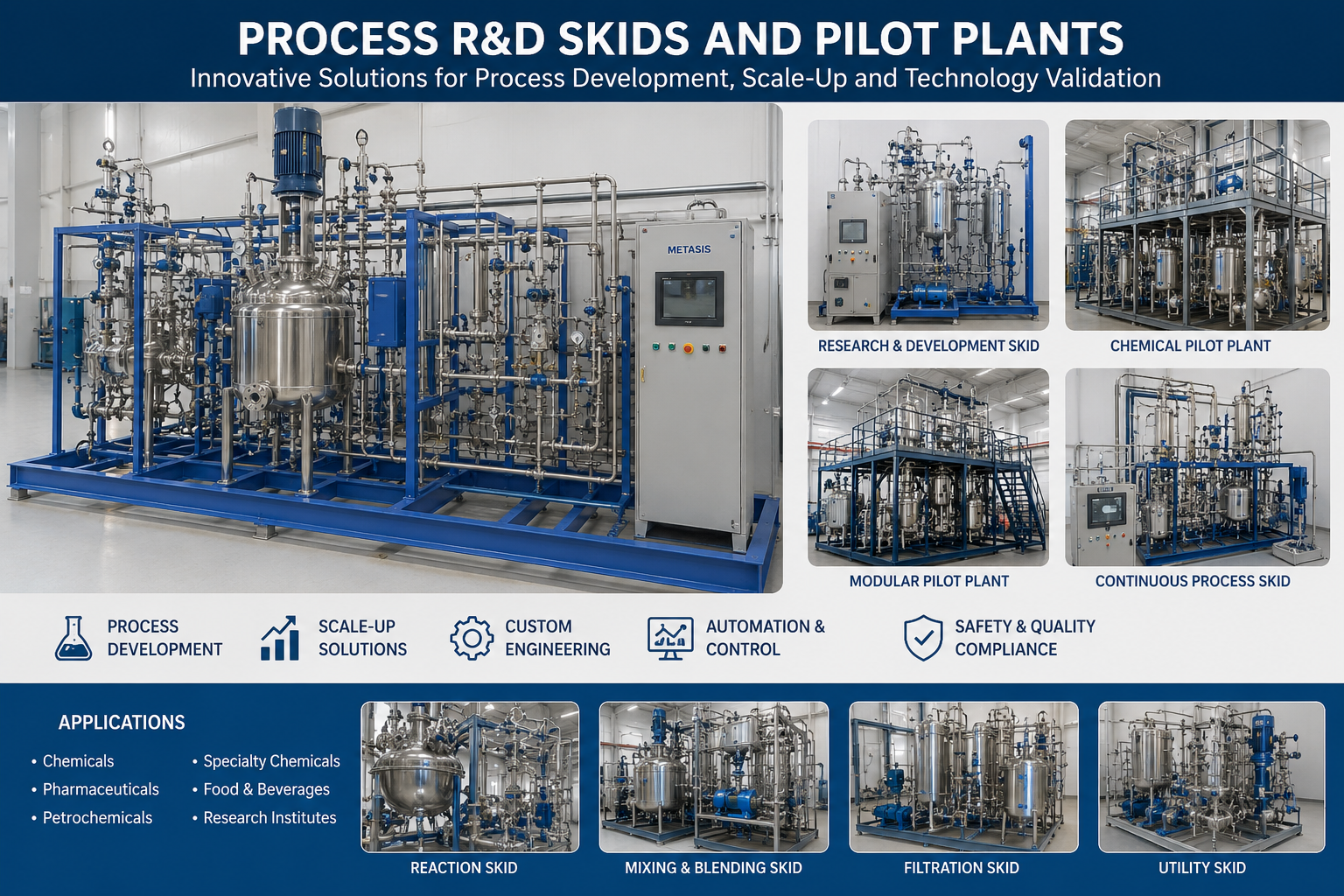 | Engineering Process System Process R&D Skids and Pilot Plants Innovative Process Development Solutions At Metasis Equipments Pvt. View product → |
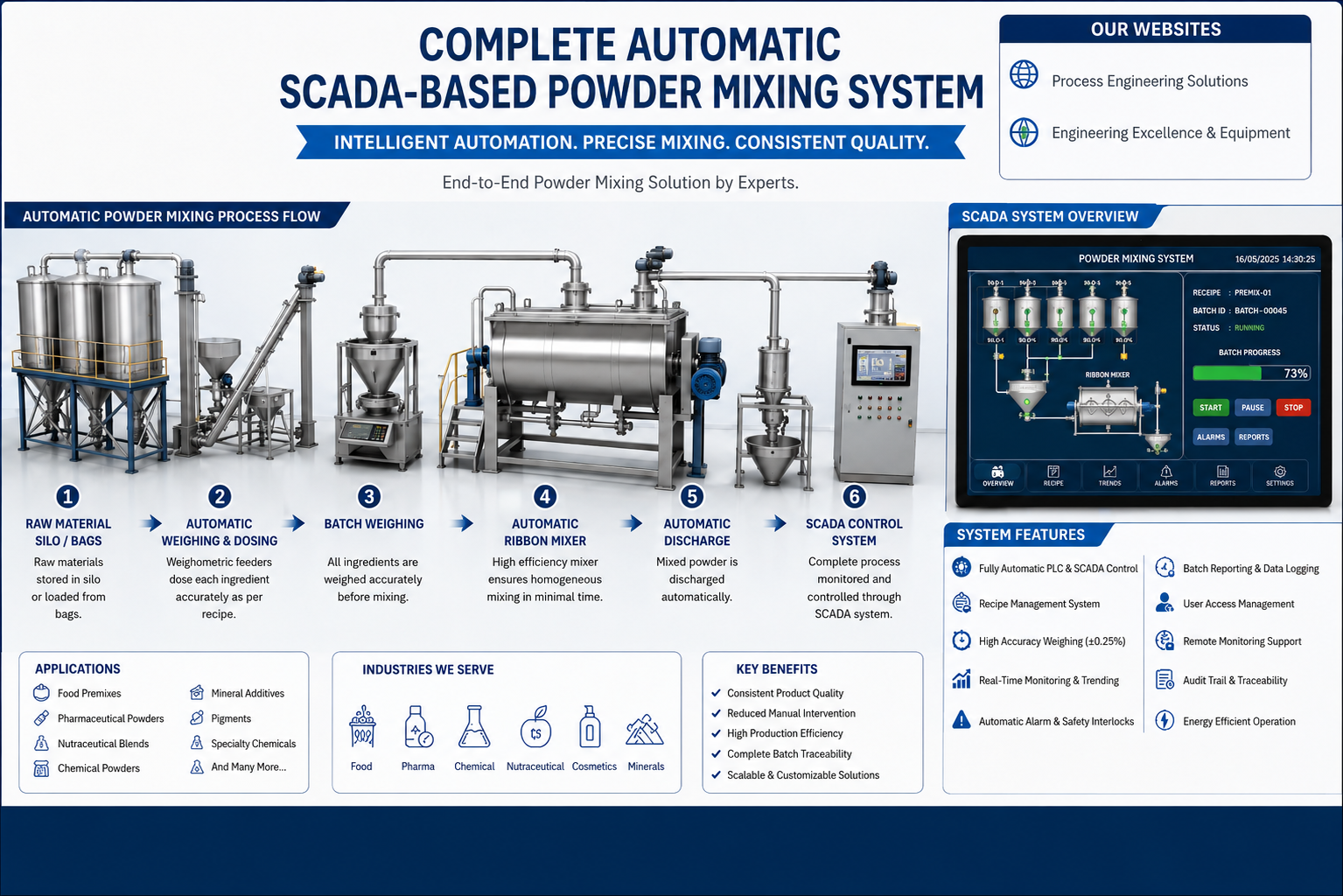 | Engineering Process System Complete Automatic SCADA - Based Powder Mixing System Intelligent Automation. Precise Mixing. Consistent Quality. At Metasis Equipment’s Pvt. View product → |
Frequently asked questions
When does a chemical plant need mechanical design support?
You need mechanical design support when a project introduces or modifies reactors, heat exchangers, pressure vessels, tanks, hoppers, conveyors, pipe racks, platforms or packaged skids. The trigger is a change to pressure, temperature, containment, structural loads, access or maintainability.
What does mechanical design add to process engineering?
Process engineering defines what the equipment must achieve. Mechanical design converts that duty into equipment geometry, materials, wall thicknesses, supports, connections, access provisions, fabrication details and maintainable assemblies.
Which inputs, codes and risk controls affect chemical plant equipment design?
Designers need process conditions, operating and upset cases, fluid properties, materials, corrosion allowances, loads, utility data, maintenance methods and layout constraints. Pressure equipment may require the EU Pressure Equipment Directive 2014/68/EU, while structural and seismic checks can involve Eurocodes and site-specific conditions.
When should you appoint a mechanical design partner?
Appoint one during concept or basic design when equipment selection, layout, materials and maintainability can still change. Later involvement suits checking, modification or fabrication support but leaves fewer opportunities to reduce redesign and installation risk.
How do you check a mechanical design partner's deliverables?
Request a deliverables register covering calculations, equipment specifications, general-arrangement drawings, fabrication drawings, bills of materials, interface data, inspection requirements, code documentation and revision control. Check that the partner has relevant chemical-plant experience and can coordinate process, structural, electrical and site interfaces.
Related products
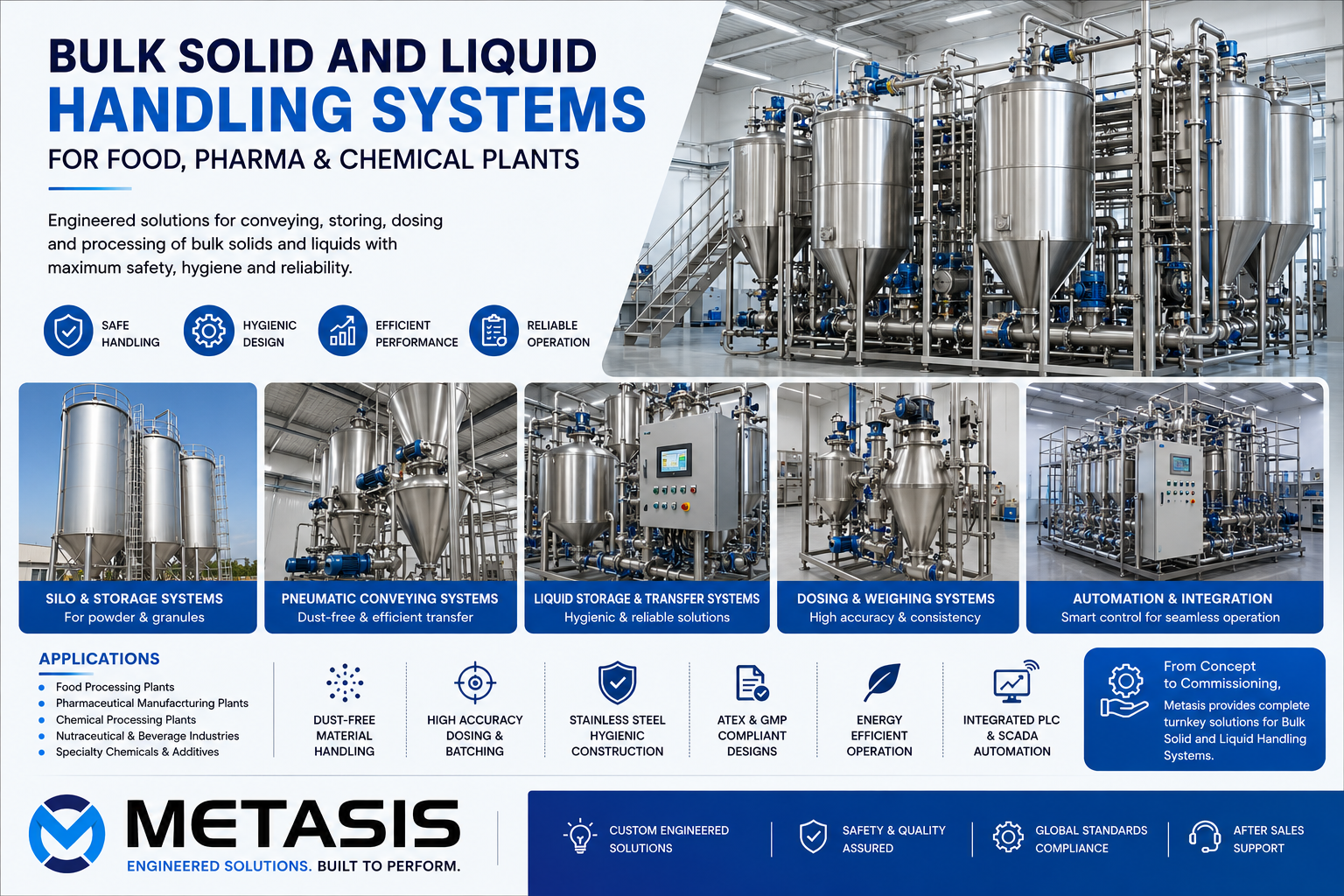 | Engineering Process System Bulk Solid and Liquid Handling Systems Bulk Solid and Liquid Handling Systems For Food, Pharma & Chemical Plants At Metasis Equipments Pvt. View product → |
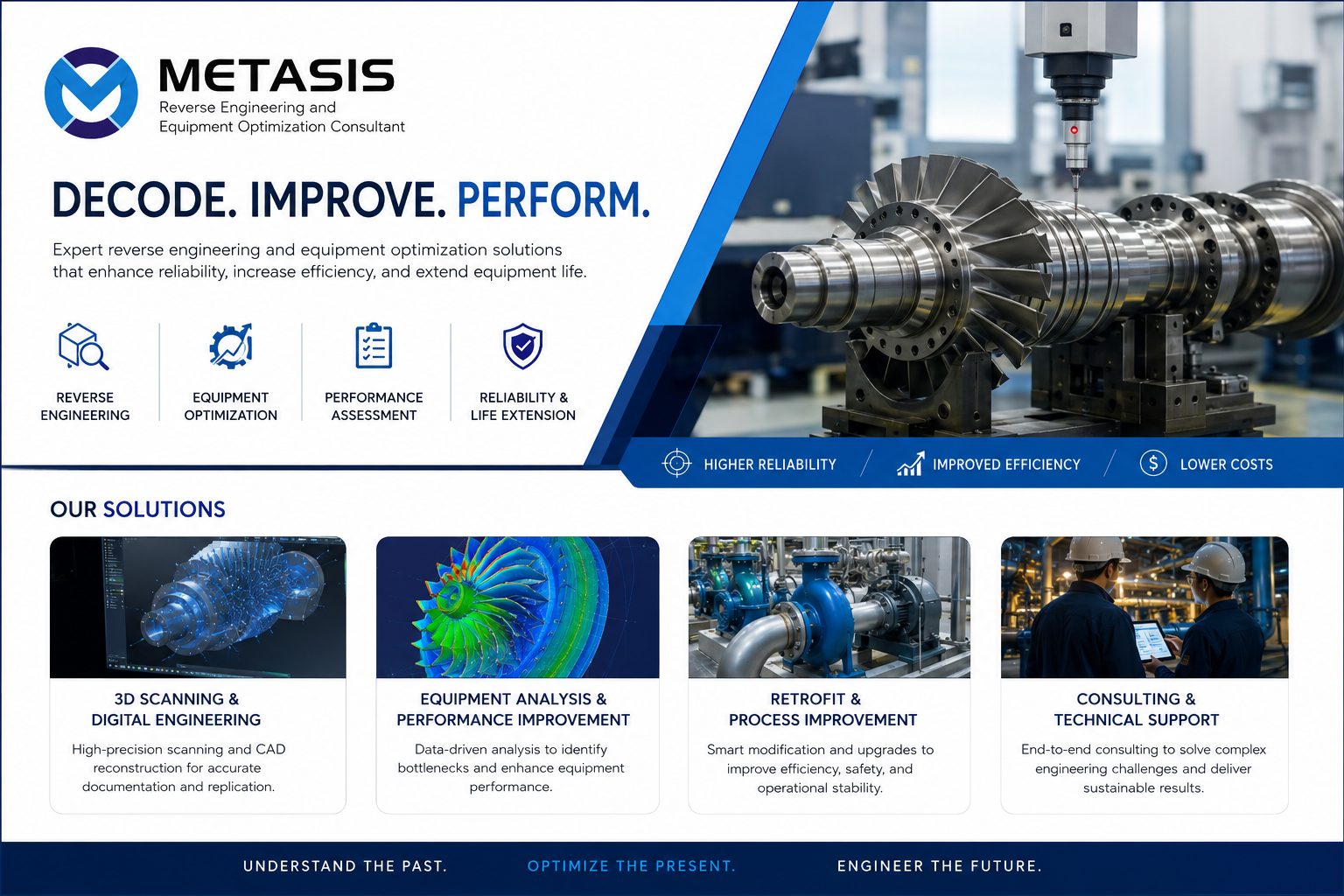 | Engineering Consultant Reverse Engineering & Process Optimization Consultant Re-Engineer. Optimize. Improve Performance. Metasis Equipments Pvt. Ltd. View product → |