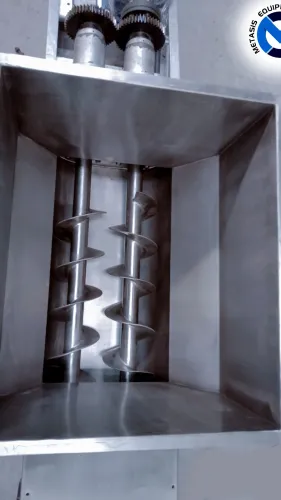

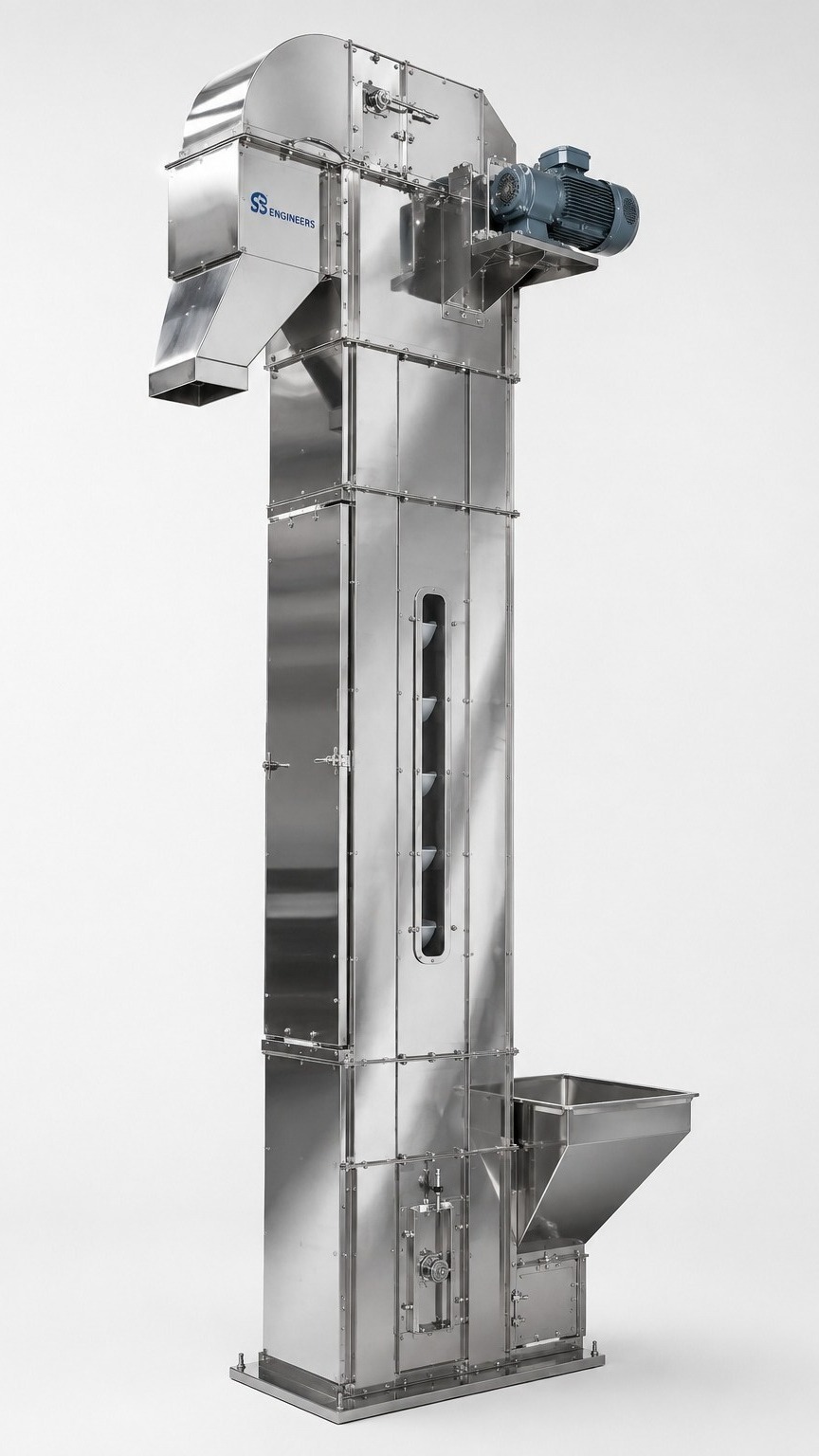
A bucket elevator is widely used when bulk material needs to be moved vertically between different stages of an industrial process. It can handle grains, powders, minerals, chemicals, food ingredients, and several other materials while using relatively little floor space.
Choosing the right system begins with understanding the material being handled. Bulk density, particle size, moisture, temperature, abrasiveness, and flow characteristics can all influence elevator design. A system suitable for free-flowing grains may not be appropriate for sticky powders or abrasive minerals.
Capacity is another important consideration. The elevator should be designed around the required throughput rather than simply selecting the largest available equipment. Undersizing can restrict production, while unnecessary oversizing can increase power consumption and investment.
Important factors to consider include:
Material characteristics
Required lifting height
Hourly handling capacity
Bucket size and spacing
Belt or chain arrangement
Feeding method
Discharge configuration
Dust containment
Maintenance accessibility
The operating environment should also be reviewed. Food and pharmaceutical applications may require hygienic construction and easier cleaning, while chemical or mineral processing facilities may place greater emphasis on corrosion or abrasion resistance.
Industrial businesses in Pimpri-Chinchwad, Maharashtra, often operate within plants where equipment must integrate with existing hoppers, conveyors, mixers, silos, and processing machinery. Dimensions and connection points therefore need careful planning before fabrication.
Maintenance should not be treated as an afterthought. Access to belts, chains, buckets, bearings, and drive components can affect long-term equipment reliability and servicing time.
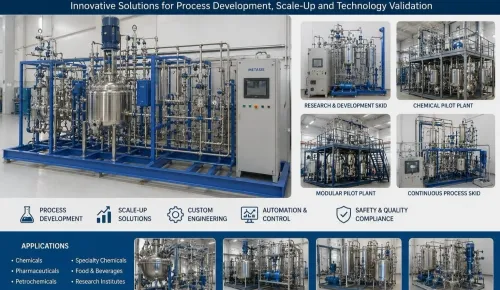
Metasis Equipments Pvt Ltd works with industrial process and material-handling requirements where equipment selection needs to consider both mechanical design and the wider process arrangement.
A properly selected bucket elevator should provide more than vertical movement. It should fit the material characteristics, plant layout, production capacity, and upstream and downstream equipment. Evaluating these factors before finalising the system can help create a safer and more dependable bulk material handling process.